
Discover & Create Your Neighborhood at the Land Use & Transportation Committee.
Share these resources for anyone interested in learning more.
Rose Quarter Improvement Project
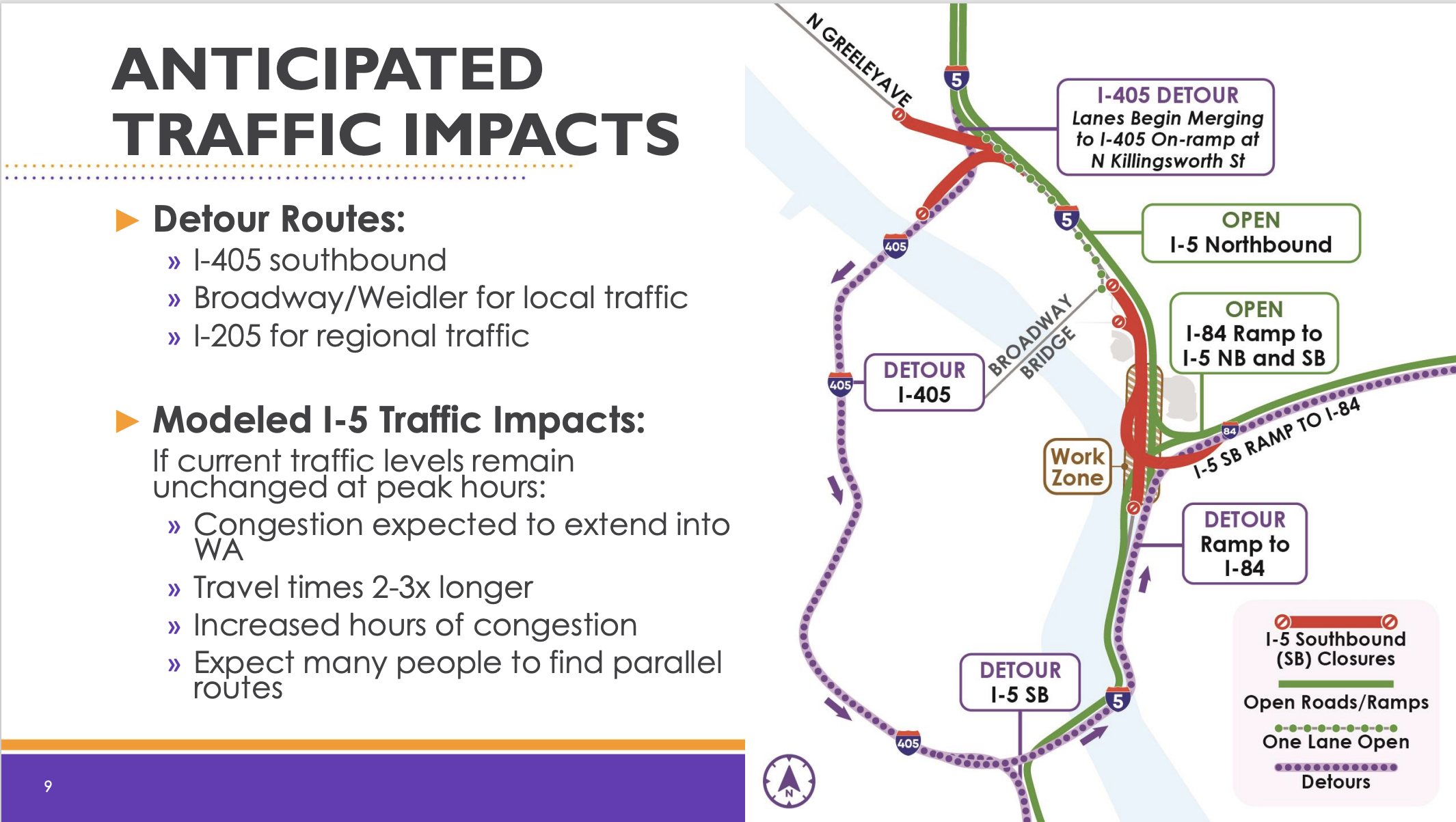
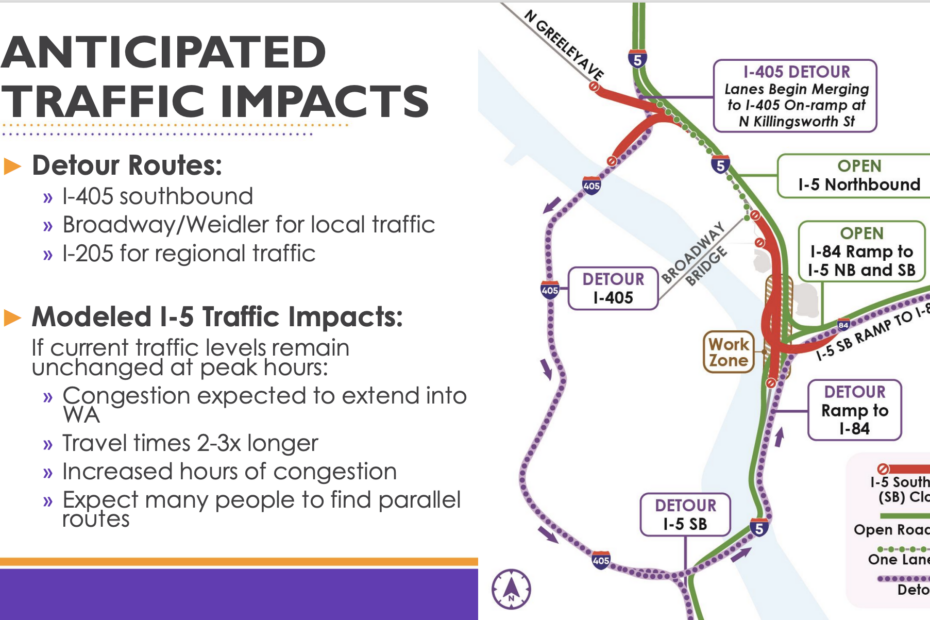
The I‑5 Rose Quarter Improvement Project is a safety and congestion‑reduction effort focused on the 1.8‑mile segment of I‑5 where three major interstates converge. The project is currently in Phase 1A construction, which includes stormwater upgrades, bridge work, and extending the southbound auxiliary lane.
Multiple weeks of closure for all I-5 Southbound lanes start September 11th and continue five weeks into October. The closure of all lanes is for 24 hours, all days and is required for sign‑bridge installation and major deck repairs. This option minimizes construction duration, maximizes safety and road quality while keeping project costs low.
Plan travel options ahead of the closure using the Travel Closure Resources and share information with your neighbors with the I-5 Closures Toolkit.
- View the I-5 Rose Quarter Improvement Project
- Download Presentation Slides
- Use Travel Closure Resources
- Subscribe to Email and Text Updates
- Share Information in the I-5 Closures Toolkit
- Contact the Project Team or call 503-470-3127
PBOT Parking Management Programs
The City of Portland manages on-street parking and downtown SmartPark garages and utilizes a variety of tools to manage parking such as meter parking, time limits, event districts, business permits, parking permits, and the Transportation Wallet. Together parking management provides clarity and is an effective tool in managing demand.
The Portland Bureau of Transportation manages parking by conducting studies. They collect detailed information on how people actually use the street. This ensures the right tool is used with changing conditions such as time of day or during events. Once the current conditions and uses are understood, PBOT can work with interested neighborhoods and businesses to create district and area parking programs.
District and area parking programs allow neighborhoods to address commuter parking pressures while improving parking access for residents and local businesses. By increasing vehicle parking turnover near businesses, time limits can reduce vehicles circling around the block into neighborhood streets in search of parking that residents rely upon for their household. Through a community-led process to establish new parking permit zones, neighborhoods can participate in creating time limits and regulations specific to the community needs. After being established, parking performance is monitored and adjusted as needed.
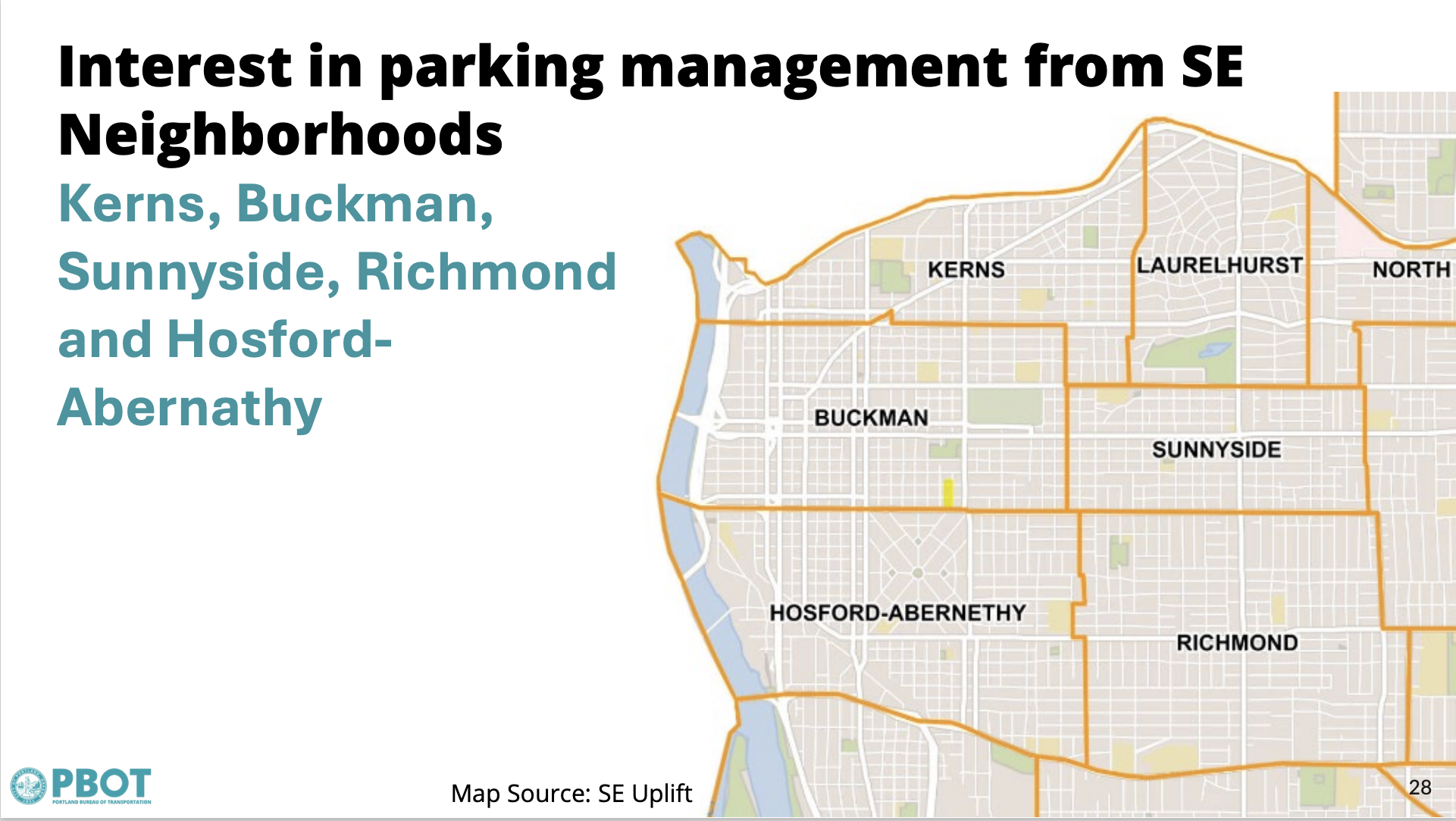
Currently parking demand is high along the main streets of several inner neighborhoods. A coalition of neighbors and businesses are discussing how to ensure public parking continues to be available and used efficiently as the city grows.
- View Portland Parking Management Programs
- Download Presentation Slides
- Subscribe to Email Updates
- Contact the Portland Parking District Manager or call 503-823-5302
Inner Eastside Zoning Project
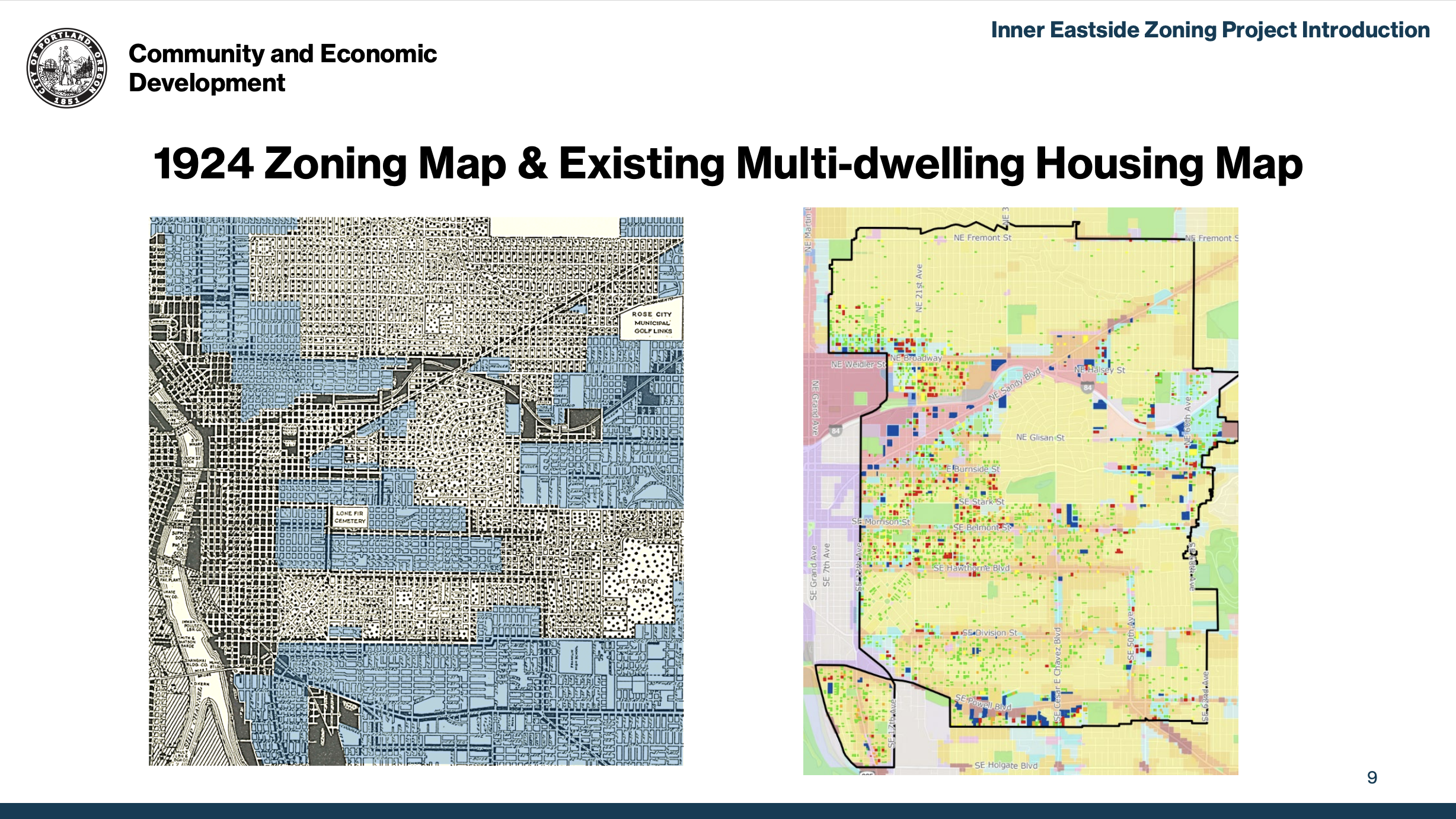
The Inner Eastside Zoning Project is exploring zoning changes to allow a broader mix of housing types and small-scale mixed-use development in Portland’s inner eastside neighborhoods so more people can live near jobs, transit, parks, services, and meet their daily needs. The project advances key objectives of the Portland 2035 Comprehensive Plan by supporting housing choice, complete neighborhoods, equitable access to opportunity, and transit-oriented growth.
The Status and Timeline Report includes the regulatory and legal framework governing legislative land use actions and considerations for an expedited implementation schedule for the project while being consistent with Oregon’s Statewide Planning Goals.
Currently no changes are proposed as the project examines current conditions and engages with the community to hear about ideas to increase affordable and accessible housing options within inner neighborhoods.
View upcoming engagement opportunities where you can learn about the project and provide ideas. Are you a neighborhood or community group in the study area? Reach out to invite the project team to an upcoming event or meeting.
- View Inner Eastside Zoning Project
- Download Presentation Slides
- See Upcoming Events
- Read the Status And Timeline Report
- Read Frequently Asked Questions
- Subscribe to Email Updates
- Contact the Project Team or call 503-823-4203
Design Review Temporary Suspension Project
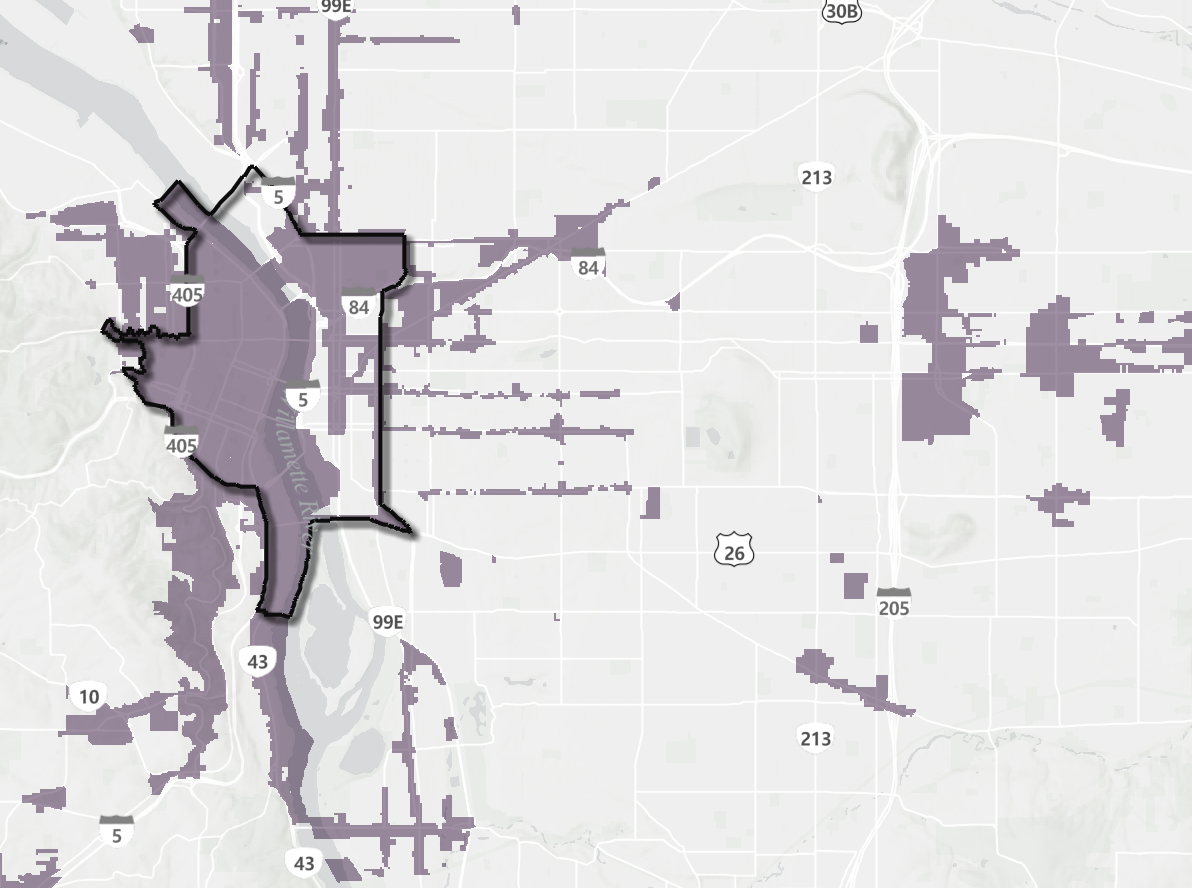
The Design Review Temporary Suspension Project proposes to temporarily suspend most instances of mandatory design review. The suspension would apply for approximately two years and would allow the use of clear and objective standards as an alternative to discretionary design review.
The project responds to Resolution 37725 from Portland City Council which seeks reforming the Design Overlay Zone in order to stimulate economic development in the city. Existing Design Standards would apply in the Design Overlay Zone with exceptions related to achieving height and Floor Area Ratio bonuses that currently require Design Review. Adjustments can still be pursued through Design Review for variances beyond what is allowed by the zoning code as proposed in the project.
- View Design Review Temporary Suspension Project
- Download the Proposed Draft
- Submit Testimony by Sept. 22
- Related: Read Resolution 37725 (December 2025)
- Related: Watch the Design Review Reform Report Briefing
- Related: Review the Design Review Reform Report